Stay Ahead of Seasonal Pests in Ryde Workplaces
Office pests are more than just annoying; they can hurt staff comfort, safety, and your business image. As the seasons change in Ryde, different pests take their turn, and offices give them everything they want: warmth, food crumbs, water, and quiet, hidden spaces.
In winter, rodents look for cosy ceiling voids and storerooms. In spring, ants start exploring kitchen benches. In summer, cockroaches and flies take off. Termites keep working all year, quietly. Offices can be hit hard because they often have shared kitchens, lots of hiding spots, plenty of cardboard and paper, and people coming and going all day.
When pests move in, you can end up with health risks, staff complaints, damage to wiring and stored items, and awkward moments if clients spot something scuttling across the floor. As a local pest control team working across Sydney, we know how quickly a small problem in a Ryde office can grow. Below, we break down the main seasonal risks and simple ways to prepare your workplace before pests get out of hand.
Winter Rodent Surges in Ryde Offices
Winter in Ryde is prime time for rats and mice indoors. Once outdoor food is harder to find and the temperature drops, your building suddenly looks very inviting. Ceiling voids, storerooms, plant rooms, and quiet corners are perfect for nesting, and office kitchens offer easy snacks.
Common entry points in commercial sites include:
- Gaps around roller doors and fire doors
- Damaged or missing weather strips
- Cracks around service pipes and risers
- Openings in roof areas and vents
- Poorly sealed bin bays and loading docks
Rodents rarely walk in the front door. They squeeze through tiny gaps, then move through wall cavities and ceiling spaces. You might not see them during the day, but the signs are there if you know what to look for.
Key warning signs include:
- Droppings in kitchenettes, plant rooms or store cupboards
- Gnaw marks on cables, cardboard boxes and skirting
- Scratching or scurrying sounds in walls or ceilings after hours
- Staff sightings near car parks, bin areas or fire stairs
For businesses, this is more than a nuisance. Rodents can create fire hazards by chewing through electrical cables, contaminate staff break areas, and damage stored documents or stock. They can also put you at risk of breaching WHS rules or lease conditions if infestations are ignored.
Preparation before winter helps a lot. It is smart to arrange a pre‑winter inspection, rodent‑proof key entry points with door sweeps and mesh, keep waste areas clean and closed, and set up a regular monitoring program so activity is picked up early.
Warm-weather Insects That Thrive in Offices
As the weather warms up from spring into summer, insect pressures increase. Office buildings, especially older blocks and multi‑tenant sites, can become hotspots for cockroaches, ants, and flies.
Cockroaches love:
- Shared kitchens and staff fridges
- Server rooms and IT cupboards that stay warm
- Bathrooms, floor drains and ducting
- Cluttered storage areas with cardboard and paper
These pests are fast and good at hiding. Staff may see them when lights are first turned on or around bins. Apart from health concerns, repeated sightings leave a bad impression with both staff and visitors.
Ants and flies are also common in warmer months. Ants are drawn to sugary spills and crumbs, while flies head for food waste and open doors. Typical trouble spots include:
- Benches and sinks in staff kitchens
- Overflowing or uncovered bins
- Outdoor seating or smoking areas
- Doors and windows left ajar to get fresh air
Some simple behaviour changes can cut down the risk:
- Wipe benches and tables after use, especially in kitchens
- Rinse dishes promptly instead of leaving them in the sink
- Store food in sealed containers, not open packets
- Empty and clean bins regularly, indoors and outdoors
- Install door closers and, where suitable, flyscreens
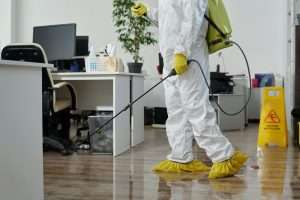
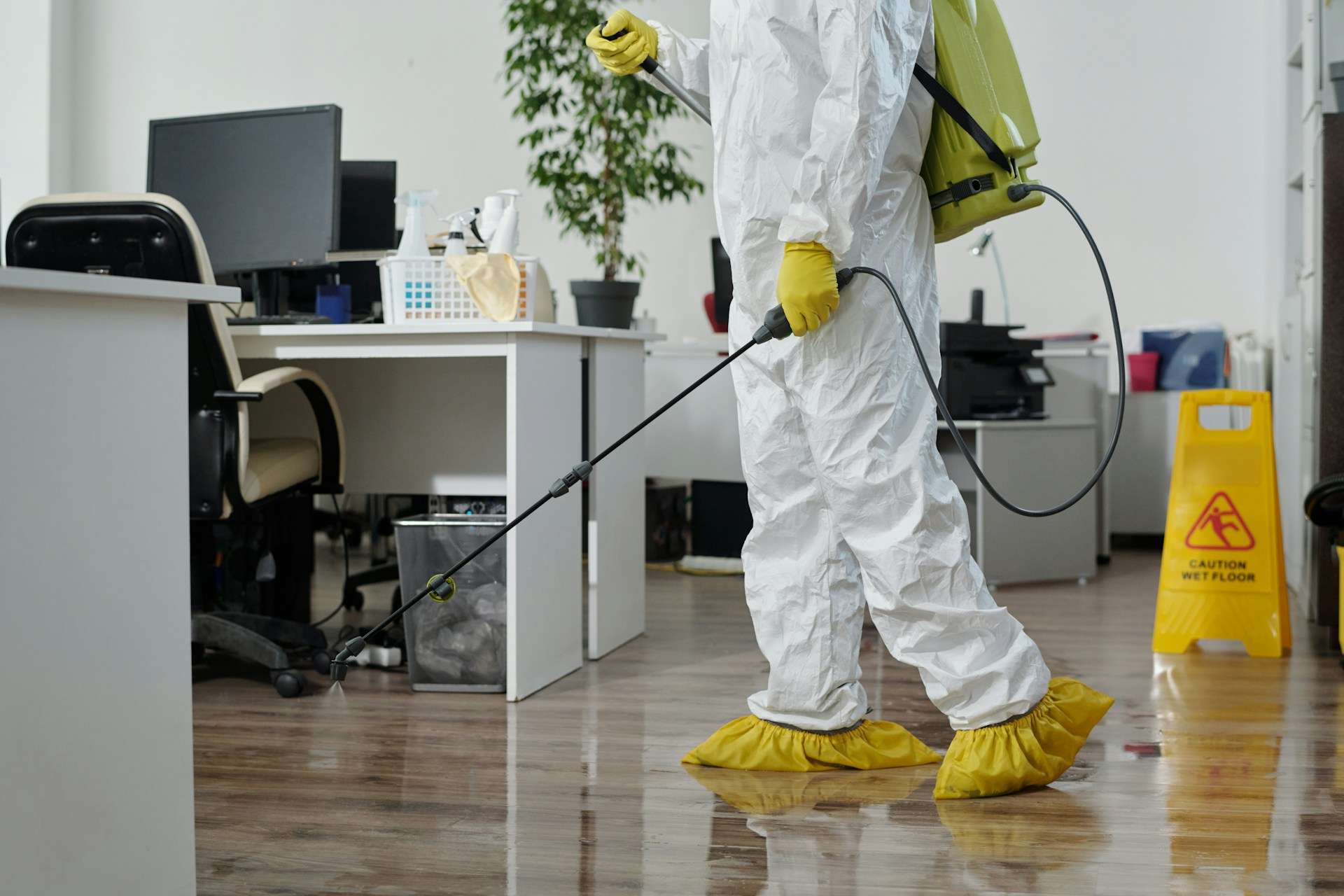
Even with good hygiene, warm-weather pests often need targeted treatments in commercial settings. Proactive office pest control in Ryde before peak summer can mean doing scheduled visits at quieter times, using targeted baits and sprays designed for office use, and putting in place monitoring so small problems are dealt with before they spread.
Hidden Structural Threats From Termites and Birds
While many pests follow the seasons, termites are active all year in Sydney. Moisture around buildings, garden beds against walls and timber elements in office fit‑outs all give termites what they need. They may attack skirting boards, partitions, door frames, and even structural timbers without obvious early signs.
Common signs that often get missed include:
- Paint that looks blistered or uneven
- Doors or windows that suddenly feel tight or hard to open
- Mud tubes on foundations, in plant rooms or on piers
- Damage to skirting or architraves behind furniture
Birds around office buildings are another issue. Pigeons and other birds like to roost on ledges, awnings and HVAC units. They can leave droppings on entrances, car parks and balconies, create noise and nesting debris, and cause slip hazards and staining on paths and signage.
Preparation here is about long‑term protection:
- Keep termite inspections on a clear annual schedule
- Manage moisture by fixing leaks and avoiding garden beds hard against external walls
- Reduce timber contact with soil where possible
- Use humane bird deterrents on ledges, awnings and rooftop equipment to discourage roosting
Professional support is important with termites and birds, as they often need an integrated mix of inspection, monitoring and deterrent methods that suit commercial buildings and their tenants.
Building a Year-Round Office Pest Protection Plan
The most effective way to manage pests in Ryde offices is to think in seasons, then build a simple yearly cycle around that. A basic calendar could look like this:
- Pre‑winter checks: focus on rodents and proofing entry points
- Spring: tidy up insect risk zones and refresh kitchen and waste routines
- Summer: follow‑up treatments for insects and review any hot spots
- Any time of year: termite inspections and bird management as needed
Regular office pest control in Ryde is usually more cost‑effective than waiting for an emergency. Planned visits are quicker, cause less disruption, and help avoid damage before it happens.
A good pest management plan for an office often includes:
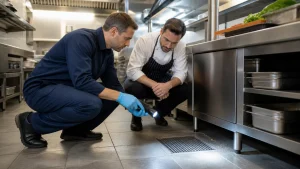
- A full site inspection and documented risk assessment
- A treatment schedule that works with your trading or office hours
- Clear roles for cleaning, food storage and waste handling
- Simple reporting so landlords, tenants and auditors can see what is being done
Communication is just as important as treatments. It helps to:
- Train cleaners and key staff to spot early warning signs
- Set clear rules around food at desks and in meeting rooms
- Put friendly reminders up in kitchens about cleaning up and bin use
Pest risks in Ryde offices follow a pattern, but they do not need to catch you off guard. With seasonal awareness, building maintenance and a structured plan, you can keep your workplace safer, cleaner, and more comfortable for everyone. Evo Pest Control works across Sydney and understands local building styles and pest pressures, so we shape our services to fit how modern offices actually run.
Protect Your Workplace With Fast, Professional Pest Solutions
If you are dealing with pests at your workplace, we provide tailored office pest control in Ryde to restore a healthy, safe environment for your team and clients. At Evo Pest Control, we use targeted, low-disruption treatments to address current issues and help prevent future infestations. Reach out to our team today to discuss your situation or request a quote, or simply contact us to book a visit at a time that suits you.