Night Shift Pest Control That Protects Your Operations
Industrial sites in Parramatta do not sleep. Warehouses, logistics hubs and production lines often run right through the night, even when the rest of the city is quiet. While night shifts keep freight and production moving, they also give pests the perfect window to move in, feed and hide without being noticed.
Rodents, cockroaches, spiders and birds can all cause trouble after dark. They contaminate stock, chew through wiring, damage equipment and create safety and hygiene problems. When you look at industrial pest control in Parramatta from a night-shift angle, it becomes clear that a standard daytime plan is not enough.
Pests behave differently at night, often becoming braver and more active when lights are low, and staff numbers are smaller. A tailored, night-focused approach helps protect productivity, food safety, compliance and your reputation with customers and auditors. As a local Sydney-based team, we work across Western Sydney industrial estates and are familiar with how these sites run around the clock.
Why Night Shifts Increase Pest Pressure
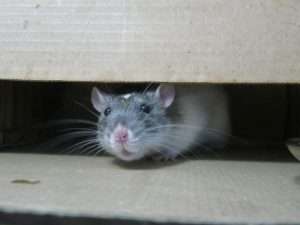
Night shifts often mean less noise, fewer people and more shadowy corners. For pests, that is an open invitation. Rodents will run along walls and rafters, cockroaches will leave drains and cracks to search for food, and spiders will build new webs in quiet areas.
Common night-time attractants in industrial facilities include:
- Bins that were not emptied at the end of the day
- Food crumbs and spills in staff kitchens and vending areas
- Standing water from cleaning or leaks
- Warm machinery, switchboards and plant rooms that offer cosy hiding spots
During colder winter nights, many pests push harder to get indoors. Rodents often look for warm roof spaces and plant rooms to nest. Spiders and cockroaches move deeper into storage areas, packaging stacks and under pallet racking where it stays drier and more sheltered.
The other issue is delay. A pest incident at 2 am might not be seen by a manager or auditor until the next day, or even later. Droppings behind a line, damage to wiring or contamination in a storage bay can sit unnoticed, giving the infestation time to spread before anyone acts.
Building a Night-Focused Pest Control Plan
A strong industrial pest control program is not just a daytime checklist repeated after dark. Night-focused inspections and treatments need to match how your site actually runs during those hours.
Night inspections often include:
- High-powered torches to check under racking, ledges and cable trays
- Thermal imaging to spot rodents hiding in walls or ceiling spaces
- UV or special lights to pick up urine marks, droppings and trails that are hard to see in normal light
Timing is key. Pest control visits should line up with:
- Planned changeovers between shifts
- Scheduled downtime on production lines
- Lower-traffic blocks for high-risk areas like loading docks
Mapping high-risk zones helps everyone know where to focus. In many industrial facilities, these include loading docks, waste compactors, staff break rooms, conveyor belts, plant rooms, roof spaces and overhead beams where birds may try to perch or roost.
A good program for industrial pest control in Parramatta also includes regular reviews across the year. As weather and pest pressure shift between late winter, spring and the warmer months, your plan may need changes in baiting locations, monitoring tools or exclusion work.
Safe, Low-Disruption Treatments After Dark
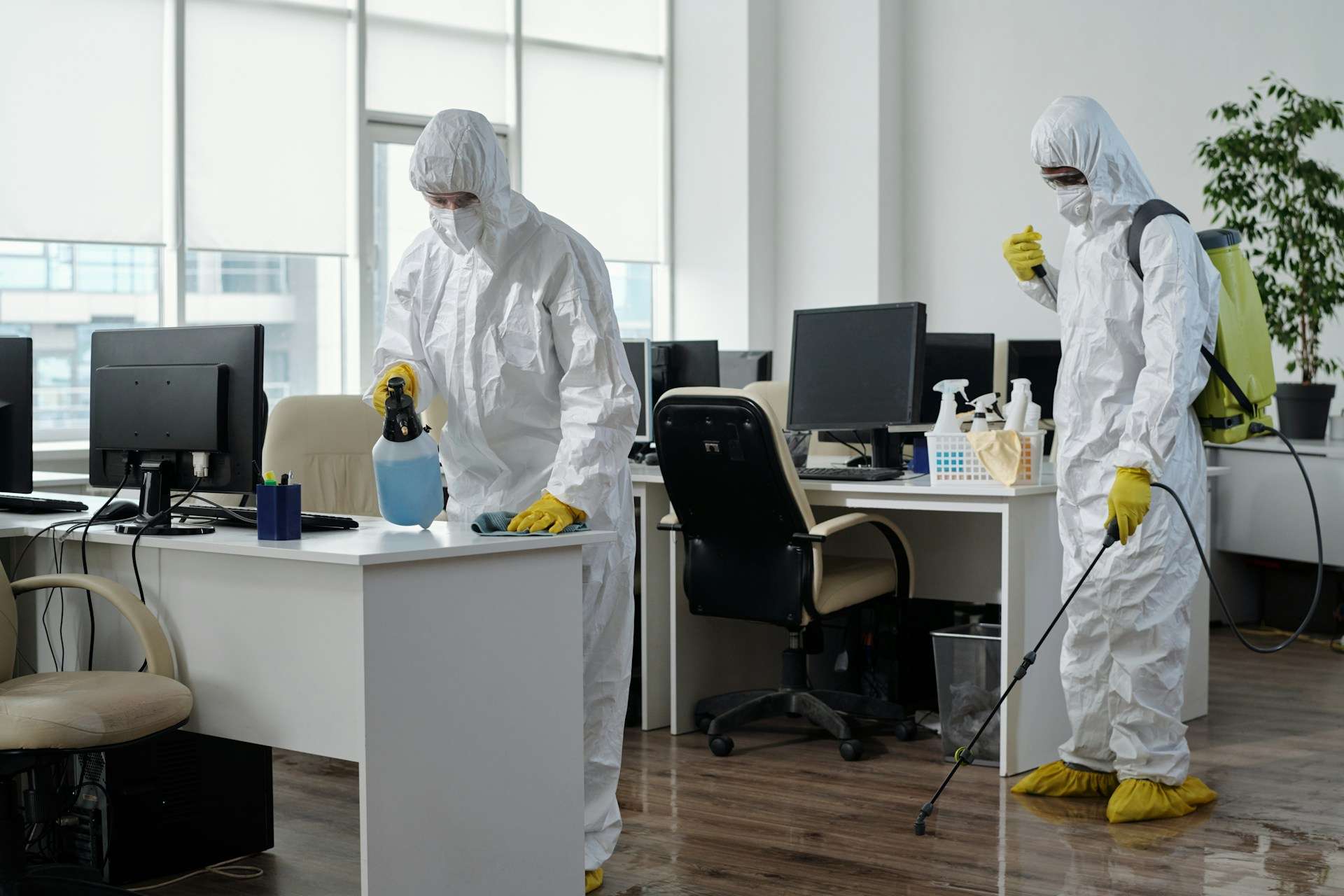
Treating pests while people work on the night shift needs care. The goal is to control pests without strong odours, vapours or messy sprays that disrupt production or create safety questions.
Common low-disruption options include:
- Targeted baiting in locked stations, placed away from food and high-traffic areas
- Dusting products into voids, wall cavities and roof spaces where pests hide
- Gel applications for cockroaches in cracks, hinges and equipment gaps
Work health and safety is always a priority, especially when many staff are tired or working with heavy machinery. A safe night treatment plan usually covers:
- Clear signage around treated zones
- Lockout and isolation procedures tied in with your normal maintenance rules
- Detailed documentation for auditors, including maps, labels and product information
Non-chemical controls are just as important. These might include:
- Sealing gaps around pipes, cables and wall joints
- Proofing roller doors and fitting bristle or rubber seals
- Adding or upgrading drainage covers and grates
- Improving waste storage and bin placement to cut off easy food sources
Good communication closes the loop. Technicians should brief night supervisors before and after treatment, and leave written or digital reports that day management teams can review. This helps keep everyone on the same page about what was done, what was found and what needs follow-up.
Training Night Staff to Spot Problems Early
Night-shift workers are your eyes and ears when pests are most active. A small amount of simple training can make a big difference to how quickly problems are picked up and handled.
Helpful topics for short toolbox talks include:
- How to recognise droppings from mice and rats
- Signs of gnawing on cables, pallets and packaging
- Grease marks or trails along walls and beams
- Webs, shed skins and unusual insect activity near lights or equipment
Clear reporting rules are important so staff know exactly what to do. That might include:
- Who to report sightings or damage to during the night
- How to record time, location and, if possible, a quick photo
- What not to do, such as moving bait stations, blocking traps or spraying off-the-shelf products near food or sensitive machinery
Building pest awareness into normal routines helps catch issues early without adding a lot of extra work. For example:
- Quick bin checks during breaks and at the end of shift
- Wiping up spills straight away, not leaving them for day staff
- A weekly short walk-through of known high-risk zones by a supervisor
When staff vigilance combines with professional industrial pest control in Parramatta, problems are usually found sooner. That often means less severe infestations, fewer urgent call-outs and less aggressive treatments over time.
Partner with Local Experts to Secure Your Night Shift
Industrial sites in Parramatta have their own patterns, risks and rules, especially once the sun goes down. Looking at your current pest management through a night-shift lens can reveal gaps, like unprotected loading docks, poorly managed waste areas or plant rooms that are warm rodent magnets.
A dedicated night-time assessment with a local team like Evo Pest Control can help identify where pests are most likely to move, how seasonal changes affect your site and how to time inspections so production keeps flowing. By aligning pest control with your shift patterns, industry regulations and audit needs, you can reduce pest-related shutdowns and help keep your workplace safer and cleaner around the clock.
Protect Your Industrial Site With Targeted Pest Solutions Today
Keep your facility compliant, safe and operating smoothly with our tailored industrial pest control in Parramatta. At Evo Pest Control, we assess your site, identify risks and implement a practical treatment and monitoring plan that fits your operations. If you are ready to secure your premises and minimise downtime, contact us today to book an inspection or request a quote.