Mapping Hidden Pest Risks in Ryde Shopping Centres
Multi-tenant shopping centres in Ryde deal with pests in a different way to standalone stores. You have heavy foot traffic all day, food being prepared and served, constant deliveries, and big shared waste areas. All of this gives pests plenty of ways to move in and spread out.
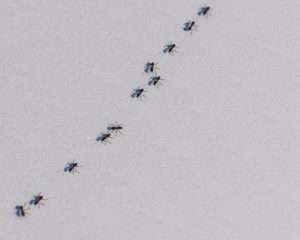
Rodents, cockroaches, and other pests do not stay in one spot. They move from car parks and gardens into loading docks, then along service corridors into food courts, kiosks, roof spaces and back-of-house areas. Once they are in, they can travel through ceiling voids, pipework and tiny gaps between tenancies.
This is where a tenant-by-tenant pest risk map helps. It shows how pests can move through the centre and sets out who is responsible for which areas. When everyone understands their part, it is easier to prevent problems, and there is less blame when something does go wrong. As a Sydney-based team, we work with Ryde centres to build these maps for both shared spaces and individual shops.
Food Courts: Highest Risk, Highest Scrutiny
Food courts are usually the hottest pest spots in any centre. They have warmth from cooking equipment, constant food residue, drink spills, and shared seating that is hard to keep spotless when there is a quick turnover of diners. Pests are looking for food, water and shelter, and food courts offer all three.
Common risk zones in food courts include:
- Front-of-house seating and walkways, where crumbs, dropped chips and sticky drinks attract cockroaches, ants, birds and sometimes rodents
- Kiosk and kitchen zones, which are prime territory for German cockroaches, stored product pests hiding in dry goods, and rodents squeezing in behind equipment
- Shared tray return, wash-up and condiment stations, where spills and poorly cleaned surfaces can spread pests and bacteria between different food operators
Responsibilities are usually split like this:
- Individual food operators manage their internal kitchens, counters, display units, cold rooms and private storerooms
- Centre management looks after common seating areas, shared ceilings, service risers, public bins and bulk air-conditioning spaces linked to the food court
As weather cools around late autumn, rodents start looking for warm, settled ceiling spaces above food courts. Cockroaches can also move deeper indoors into back-of-house areas. A pre-winter pest check in these zones helps catch activity in ceilings, voids and drains before winter trading picks up and the centre gets busier.
Loading Docks and Service Corridors as Pest Super-Highways
Loading docks are often the first point of entry for pests into a Ryde shopping centre. Incoming pallets, crates and stock can carry cockroaches, stored product pests and even rodents inside packaging. If the area is not managed well, it quickly turns into a pest hub.
Key risk factors in loading docks include:
- Stacks of wooden pallets left sitting for long periods
- Standing water from leaks or outdoor runoff
- Cardboard build-up in corners and against walls
- Overnight or after-hours food deliveries left on the dock instead of taken straight into stores
Service corridors that run off the dock work like pest highways. Rodents, cockroaches and other insects use these quiet, less cleaned passages to move between tenancies without being seen.
Responsibility in these areas is usually shared:
- Centre management handles dock design, structural repairs, cleaning schedules, lighting, and baiting or monitoring in common dock and corridor areas
- Each tenant is responsible for how they unpack, how quickly they remove packaging, and how well they clean up food spills and report pest sightings along their section of corridor
A good Ryde shopping centre pest control plan will include:
- Regular inspections of loading docks and service corridors
- Clear access times that fit around delivery schedules
- Agreed rules on where to place pallets, food stock and waste so that pest treatments stay effective
Waste Rooms, Grease Traps and Roof Spaces
Waste rooms are another major hotspot. When bin lids are left open, bins are overfilled, or organic waste is not bagged properly, pests move in quickly. Cockroaches, flies, maggots and rodents all love food-soaked rubbish and liquid waste.
High-risk infrastructure around these rooms includes:
- Grease traps that are not serviced on time
- Drain lines and sump pits that hold organic sludge
- Roof spaces directly above food and retail tenancies
- Service penetrations, pipework and cable pathways that give pests hidden travel routes
These spots can harbour cockroaches, rats, birds and stored product pests that later show up inside shops and food outlets, even when those tenants are clean.
The split of duties generally looks like this:
- Centre management takes care of bin rooms, compactors, arranged drain treatments, structural proofing in shared spaces, and regular grease trap maintenance where it is on a shared system
- Tenants are responsible for correct waste segregation, bagging rubbish properly, handling grease in line with centre rules, and actually following posted bin room instructions
When a professional pest provider tracks activity carefully and records evidence, it is easier to see whether pests are coming from a shared system, such as a roof space or bin room, or from one tenancy. Clear reporting reduces arguments and helps everyone focus on fixing the cause.
Shared Tenancies, Kiosks and Frontage Zones
Open-style tenancies are a special challenge. Kiosks without walls, open-front cafés, shared seating pods and adjoining food tenancies create grey areas where it is not clear who owns which surface. Pests, of course, do not care about lease lines.
Risky spots in these shared frontage areas include:
- Under-benches and display cabinets that straddle the boundary between two tenancies
- Shared seating, bar counters, planters and decorative features used by multiple operators
- Floor voids and expansion joints where food and moisture collect, and pests can hide
If one tenant keeps very high standards and the neighbour does not, pests will still be drawn in and then move across. That is why consistent rules help. Centre management can set minimum hygiene and pest management benchmarks in lease documents so everyone plays at the same level.
Joint inspections work well in these spaces. Having centre management, tenants and the pest technician walk shared areas together helps to:
- Spot where pests are most active
- Agree which surfaces belong to which tenancy
- Set clear actions, timelines and follow-up checks that feel fair to everyone
Turning Your Pest Risk Map Into a Live Action Plan
A tenant-by-tenant pest risk map only helps if it is turned into day-to-day habits and routines. Centre managers and tenants can work with a professional team to build a site-specific plan that covers food courts, loading docks, waste rooms, roof spaces and shared tenancies.
A practical process often includes:
- A full-centre survey that looks at front-of-house and back-of-house areas
- Risk ranking by zone, for example, high, medium or lower risk
- A responsibility matrix that shows exactly who manages which pests in which areas
- A simple communication protocol for reporting sightings and actions taken
- Seasonal reviews before winter and summer so treatments match changing pest behaviour
For Ryde businesses, a good next step is to look over current pest and cleaning contracts, note any grey areas in responsibilities, and arrange a professional audit before cooler weather pushes more pests inside. A clear, shared pest risk map helps protect revenue, reputation and customer comfort across the whole centre, not just in single tenancies.
Protect Your Ryde Shopping Centre With Targeted Pest Control
If you are noticing early signs of pests in your centre, now is the time to act before small issues turn into costly problems. At Evo Pest Control, we provide tailored Ryde Shopping Centre pest control solutions that fit your tenancy mix, trading hours and safety requirements. We will assess your site, outline practical treatment options and set up an ongoing prevention plan that keeps your centre compliant and welcoming. To book an inspection or request a quote, simply contact us.