Protect Your Ryde Office Fit-Out From Hidden Pests
Office fit-outs and refurbishments in Ryde are busy, messy, and often on tight deadlines. In all that noise and dust, pests are easy to overlook, but this is exactly when they are most likely to move in. When walls come down, and ceiling tiles are lifted, hidden pests are disturbed and start looking for new places to live, often in your fresh new office finishes.
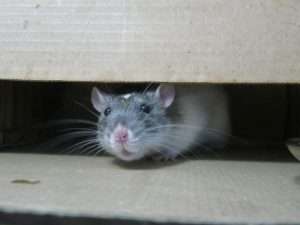
Common office pests in Ryde include rodents in ceiling voids, cockroaches in kitchens and risers, ants following food trails, spiders in corners and plant rooms, stored-product pests around food supplies, and birds roosting on ledges and balconies. If they are not managed during the fit-out, they can chew cables, stain new carpets, contaminate staff areas and cause delays just when you are trying to hand the space over.
Ignoring pests until after staff move in can lead to:
- Delayed inspections and handover
- Damage to new cabling, insulation and finishes
- Health risks and complaints from staff
- A poor first impression for clients visiting your new office
It works far better to treat office pest control in Ryde as part of the project plan, right alongside electrical, HVAC and cleaning. Around late autumn, when the weather cools, rodents and spiders are more likely to seek warm indoor spaces such as ceiling voids and plant rooms, so planning ahead before those pressures build makes a real difference.
Why Office Fit-Outs Attract Unwanted Pests
Construction and demolition work shake up the whole building. Pests that have been sitting quietly in ceiling spaces, wall cavities or subfloors are disturbed and pushed into new zones, including your brand-new tenancy. If the area is open and unprotected, they quickly claim it.
During a fit-out, pest risks often increase because:
- Building materials and packaging like timber, plasterboard, cardboard and plastic wrap become temporary shelter and nesting spots
- Propped-open doors, loading docks, exposed risers and roof hatches give pests an easy way to enter
- Temporary kitchens, takeaway food for trades and messy lunch areas attract cockroaches, ants and rodents
- Overflowing or open bins create steady food sources and odours that draw pests from outside
In multi-tenant Ryde office buildings, there may already be pest activity in neighbouring suites or common plant rooms. Once walls are open and people are moving in and out all day, those pests can spread into your new fit-out if there is no plan in place.
Building Pest Prevention Into Your Fit-Out Plan
Pest control works best when it is planned, not rushed at the end. Including office pest control in Ryde as a specific item in your project scope means it gets proper time and attention, rather than being treated as a last-minute clean-up.
A good approach is to involve a licensed pest manager early, during design and planning. They can walk the site and flag risk areas such as:
- Large ceiling voids and subfloor zones
- Service risers and cable penetrations
- Plant rooms and equipment areas
- Wall and floor junctions that are hard to clean
From there, your team can specify details that make pests less likely, like sealed wall and floor junctions, door sweeps on external doors, mesh on vents, sealed service penetrations and bird-proofing options for balconies and ledges.
Pre-work inspections are also a smart step. Older buildings can have existing rodent or termite issues, while kitchens and bathrooms might already hold cockroach harbourages. Spotting these early lets the project team treat them before new finishes go in. Close collaboration between the fit-out contractor, building manager and pest control provider helps line up access, timing and safe treatment methods that work around other trades.
Site Hygiene and Waste Controls During Construction
While design choices help, day-to-day site hygiene during the build is just as important. When food scraps, packaging and off-cuts pile up, pests quickly follow. Simple rules for trades and contractors can prevent a lot of trouble.
Clear housekeeping expectations should include:
- No food left on desks, window ledges or in ceiling voids
- Rubbish removed daily, not left overnight
- Off-cuts and unused materials stacked neatly, not in random piles
- Spills or leaks reported and cleaned promptly
A thought-out waste management plan is key. Use sealed bins with liners, set up designated indoor and outdoor waste areas and arrange frequent collections so rubbish does not sit long enough to attract rodents or insects. Deliveries should be managed so that cardboard is broken down quickly, materials are stored off the floor on pallets, and items are checked for any signs of pest activity before they enter sensitive areas.
Moisture control matters too. Fix leaks quickly, manage wet trades so water does not pool, and avoid standing water in plant rooms, balconies or service areas, as this can attract insects and create damp conditions pests love. It helps to make responsibility very clear, so everyone knows whether the builder, project manager or building manager is in charge of enforcing these hygiene rules.
Staged Pest Treatments Before Handover
Pest control for a fit-out works best in stages, matched to the phases of the project. A sensible timeline might include a pre-demolition inspection and treatment if needed, checks during the build and a thorough service just before practical completion.
Typical staged treatments can include:
- Rodent baiting and monitoring in ceiling voids, subfloors and plant rooms
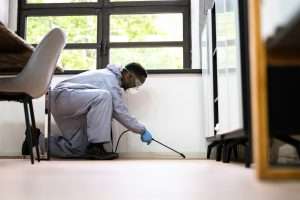
- Cockroach gels and dusts in kitchens, break areas, bathrooms and risers
- Spider treatments around external entries, balconies and façade features
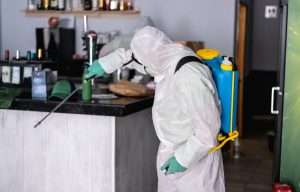
These treatments need to be integrated with other trades. That means planning so pesticides are applied safely, avoiding fresh paint and new surfaces, and following WHS requirements so workers and future occupants are not exposed. Once the fit-out is complete and people move in, early monitoring is important. This might involve checking traps and stations, reviewing any pest reports from staff and adjusting the treatment plan as needed over the first few months.
Good documentation supports all of this. Treatment reports, site maps and records of what was done and where can help with building management, compliance, insurance, and health and safety obligations.
Choosing the Right Office Pest Control Partner
The right pest control partner helps your fit-out stay on track and pest-safe, without disrupting other work. For office pest control in Ryde, it makes sense to look for a provider with local experience and strong commercial references, especially in multi-storey and strata office environments.
Things to check when selecting a provider include:
- Current licences and insurances
- Use of safe, modern treatment methods suited to occupied offices and sensitive equipment
- Experience working alongside builders, designers and facilities managers on staged projects
- Clear quotes, scopes of work and safety information
It is also helpful if the provider offers ongoing maintenance programs, seasonal checks and fast response if any pests appear once staff have moved in. An integrated, long-term approach protects your investment in the fit-out, keeps disruption low and helps provide a healthy workspace from day one. As a local Sydney business, we at Evo Pest Control understand how Ryde office buildings operate and how quickly pests can become a problem if they are not managed throughout the fit-out process.
Protect Your Office With Fast, Reliable Pest Solutions
If you are ready to stop pests disrupting your workplace, our team at Evo Pest Control is here to help with targeted office pest control in Ryde. We focus on safe, discreet treatments that minimise downtime and keep your office compliant and comfortable. Reach out today through our contact page and we will arrange a tailored service plan that suits your building and schedule.