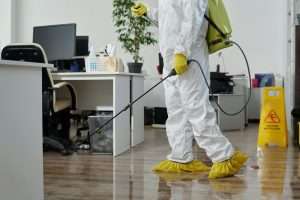
Stop Midnight Panic Calls with Smart Pest Prevention
A single cockroach running across the pass or a rat dashing near the cool room can bring a service to a halt. Guests notice, staff panic, and suddenly the food is not the main topic of conversation. Complaints grow, refunds start, and there is the worry that the council might walk in at the worst moment.
Most of these surprise pest dramas do not start that night. They are usually the result of weeks or months of quiet activity behind walls, under heavy equipment, in ceiling voids, and in dark storage corners. By the time you see a live pest in a dining area, there is often already a problem building in the background.
The good news is that with the right monitoring, clear thresholds, and simple staff reporting, those midnight emergencies can turn into calm, planned service visits. Instead of reacting, you are staying ahead, which protects your reputation and keeps your food business compliant.
Why Ryde Restaurants Face Higher Pest Pressures
Ryde has a strong food scene, with many venues sitting side by side. Shared walls in shopping centres and multi-tenant sites make it easy for rodents and cockroaches to move from one premises to another. Even if your kitchen is spotless, activity next door can quickly become your problem.
There are also a few local pressure points that keep pests close:
- Older buildings with gaps, cracks, and hidden voids
- Service lanes and loading docks that attract rubbish and food scraps
- Proximity to waterways and green strips that provide shelter and food for rodents
- Busy food courts where pests can spread quietly behind shared services
Seasonal shifts add another layer. As the weather warms in spring and early summer, breeding cycles speed up. Outdoor dining picks up, bins fill faster, and doors are left open longer, which all makes it easier for pests to move in. Swapping to DIY sprays or the odd bait block rarely deals with these deeper patterns.
Professional commercial pest control in Ryde takes these local and seasonal pressures into account. It looks past what you can see on the surface and focuses on where pests are coming from, how they are moving through the site, and what is actually keeping them there.
Building a Smart Pest Monitoring System That Works
A good monitoring setup acts like an early warning system. Instead of waiting for pests to show in dining areas, you track activity where they are most likely to start.
We often look at:
- Rodent stations around loading bays, bin areas and external walls
- Glue boards under kitchen benches, near dishwashers and behind fridges
- Insect monitors near bars, coffee zones and syrup stations
- Extra devices in dry stores and cool rooms where food is held longer
Placement is only half the job. To get real value, you need consistent checks. A simple rhythm can look like this:
- Daily opening and closing checks by staff
- Weekly internal reviews by a supervisor or manager
- Regular visits from a licensed technician for detailed inspections
Recording what you find is just as important as placing devices. A basic site map that shows every trap and monitor, plus a log where staff can note what they see, turns random notes into clear patterns. Photos of droppings, rub marks, or damage help your pest technician see changes over time and adjust treatments before a spike becomes a full infestation.
Setting Clear Pest Thresholds Before Service Starts
Thresholds are agreed trigger points. They spell out how much pest activity is acceptable in each area and what happens when those limits are reached. Without them, every sighting can feel like a crisis, and staff are never sure how serious it is.
You might set rules such as:
- Zero tolerance for live pests in dining areas at any time
- Zero tolerance for live pests in prep zones and around the pass areas
- Very low thresholds for monitors in cool rooms and dry stores
- Slightly higher thresholds in external bins and loading docks, but with strict caps
For example, one rodent on a monitor near a bin might trigger an internal clean and a note in the log. Multiple captures in a week in the same zone could trigger a planned service visit. Any sign of rodents or cockroaches near food prep would trigger an urgent response.
Writing these thresholds into your pest management plan has big benefits:
- Clear, consistent decisions across different managers and shifts
- Less debate about whether a situation is serious or not
- More scheduled, low-stress service visits and fewer frantic calls during service
Training Your Team to Be Your First Line of Defence
Even the best monitoring layout does not work if staff do not know what they are looking at. Quick, practical training turns your team into an early-warning network instead of a late-warning alarm.
Helpful training topics include:
- What early signs of rodents, cockroaches and spiders look like
- Where to check during opening and closing, such as under equipment, near floor drains and around bin areas
- How to tell the difference between a one-off outdoor insect and clear signs of an internal pest issue
A simple, no-blame reporting process makes a big difference. Staff should know that they will not be blamed for finding pests, and that reporting early is the right move. This could mean:
- A logbook or digital form kept in the same place every day
- A quick way to add photos
- A clear escalation path so serious signs are reported to managers and the pest provider quickly
At Evo Pest Control, we like to line up staff training with your monitoring devices and agreed thresholds. That way, everyone speaks the same language. When someone reports three rodents on an external station or a live cockroach near the pass, the action needed is already clear, which cuts down panic and unnecessary emergencies.
Partnering with a Local Expert for Fewer Surprises
Working with a local commercial pest control provider in Ryde is not just about treatments. It is about ongoing support that fits how your restaurant actually runs. A good partnership can include:
- Seasonal risk reviews that look at rubbish storage, proofing and nearby activity
- Tweaks to device locations as menus, layouts or neighbouring tenancies change
- Regular checks of your monitoring logs to spot trends early
- Proactive scheduling of extra visits before known high-risk periods
A pre-summer readiness check in late winter or early spring is especially useful. This is a great time to seal up gaps, review bin and storage practices, adjust thresholds if needed and refresh staff training before pest pressure ramps up.
By linking smart monitoring, clear thresholds and confident staff reporting, Ryde restaurants can shift from stressful, last-minute call-outs to calm, planned control. At Evo Pest Control, we focus on helping local venues set up these systems so inspections feel routine, guests stay happy, and your team feels in control rather than on edge.
Protect Your Business With Proven Pest Control Solutions
If you are ready to safeguard your premises, staff and customers, our team at Evo Pest Control is here to help with tailored services that fit your business. Learn more about how our commercial pest control in Ryde can prevent infestations before they impact your operations. For prompt advice or to arrange a service visit, simply contact us, and we will respond quickly with practical solutions.