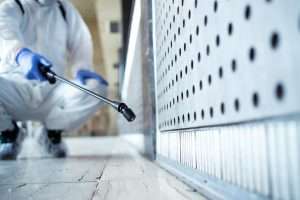
Stop Food Waste Blowouts with Pro Pest Checks This Spring
Food waste is a real headache for any restaurant in Ryde. When pests get involved, that waste can spiral quickly, taking your stock, your staff time, and your good name with it. As the weather warms up, pest activity naturally increases, and that puts extra pressure on kitchens, cool rooms and storage areas.
Spring and early summer often mean more bookings and longer hours. At the same time, rodents, cockroaches, flies and other pests are more active around bins, laneways and loading zones. If they find a way into your venue, you can end up throwing out trays of fresh produce, packs of dry goods and even prepared dishes.
The true cost is not just what goes in the bin. There is contaminated stock, extra bin runs, extra cleaning, stressed staff and days when you have to change the menu or close a section of the kitchen. Regular Ryde restaurant pest inspection is a smart way to keep more food on plates and less in the bin, while staying aligned with NSW Food Authority expectations. Local, licensed support that understands hospitality pressures and seasonal pest patterns can make that much easier to manage.
How Pests Quietly Drive up Your Food Waste Bill
In Ryde, restaurants deal with a familiar set of pests that love kitchens and store rooms. Common troublemakers include:
- Rodents in roof voids, wall cavities and behind equipment
- Cockroaches in cracks, drains and warm appliances
- Pantry moths in dry stores and packaging
- Flies around prep areas and bar sections
- Stored product beetles in flour, grains and spices
These pests do not need to eat much to cause a lot of waste. You might see:
- Chewed or gnawed packaging on rice, pasta or snacks
- Droppings on benches, shelves or along skirting boards
- Webbing or larvae in flour, nuts or cereal products
- Insects inside sealed-looking bags or containers
Food safety rules mean that anything within the contamination zone needs to go, even if it still looks fine. One small rodent trail across a shelf can cost you multiple cartons of stock. To stay on the safe side, staff often start binning items “just in case”, which quickly adds up.
There are also hidden knock-on effects. Teams might over-order to cover what they expect to lose to spoilage or pests. Prep can be disrupted while someone deep cleans a section, so ingredients sit too long and do not get used in time. Tossing out high-value items like meats, cheeses and imported pantry goods hits both your food cost and the environment, with more waste heading to landfill.
Why Ryde Restaurant Pest Inspection Is a Food Safety Essential
A proper Ryde restaurant pest inspection is more than a quick look under the sink. A professional inspection usually includes:
- Front-of-house areas, bar and service stations
- Kitchen line, cool rooms and prep benches
- Dry storage, chemical cupboards and staff areas
- Bin rooms, grease traps and external waste areas
- Roof voids, subfloors and wall cavities where accessible
- Delivery bays, loading docks and nearby laneways
You receive detailed notes and reports that show where activity is present, where risks are high and what needs attention. These records support NSW Food Authority compliance and council inspections by showing that you are taking proactive steps to control pests and protect food. They also help protect your reputation, because visible pest problems often end up in online reviews.
Regular inspections tie directly to lower food waste. By spotting early signs, such as fresh droppings, rub marks, egg cases or damage to packaging, action can be taken before pests reach your main stock areas. Treatments can then be targeted to problem spots rather than broad, last-minute measures that interrupt service. A local Ryde technician can also keep an eye on nearby construction, waterways and waste collection patterns that tend to push pest pressure up or down around your venue.
Building a Waste-Smart Pest Management Plan
Every venue runs differently. A small cafe with fast stock turnover will not need the same approach as a large restaurant with multiple cool rooms and a late-night trade. A good pest management plan takes into account:
- Your layout and building type
- Cuisine style and typical ingredients
- Trading hours and peak service periods
- Stock rotation and delivery schedules
A waste-focused plan usually includes:
- Monitoring points near storage, bin and delivery areas
- Scheduled Ryde restaurant pest inspection visits across the year
- Clear maps showing device and bait locations
- Fast response call-outs when staff report new activity
Pest control works best when it is linked with strong stock and food handling systems. Pair your plan with:
- FIFO stock rotation and clear labelling
- Temperature control in cool rooms and display units
- Closed, food-grade containers for dry goods
- Good separation between food storage and cleaning chemicals
There are also some quick wins that cut both pests and waste:
- Adding door sweeps to back doors that sit slightly open
- Improving ventilation and cleanliness in bin rooms
- Organising shelves so older stock is always in front
- Fixing gaps around pipes and under equipment where crumbs gather
These steps reduce hiding spots, remove easy food sources and keep your stock safer for longer.
Training Your Team to Spot Problems Before Stock Is Lost
Even the best plan will fail if the team does not know what to look for. Chefs, kitchen hands and front-of-house staff are your first line of defence against both pests and unnecessary food waste.
Helpful training topics include:
- Common signs of rodents, cockroaches and stored product pests
- Which contamination signs mean food must be thrown out
- When food can be safely segregated and monitored instead
- How and where to record sightings or concerns
Simple daily and weekly checklists keep everyone on track. For example:
- End of shift cleaning, including under and behind equipment
- Quick bin area check before and after service
- Dry store inspection for damaged packaging and spillages
- Logging any pest evidence in a shared diary or system
When staff know there is a clear reporting process, and that a pest technician will act on their notes, small issues are more likely to be raised early. This is especially important across busy spring and summer periods, when extra bookings can distract from the little warning signs. Catching problems early helps you avoid losing shelves of stock in one hit.
Lock in a Pest-Safe, Low-Waste Summer for Your Venue
Reducing food waste in a restaurant kitchen is not just about using every scrap. It is also about keeping pests away from your food in the first place. Regular inspections, a tailored pest management plan and a trained team work together to protect your stock, your margins and your inspection results.
For restaurants in Ryde, a focused Ryde restaurant pest inspection before the peak dining season can make a big difference. A local provider like Evo Pest Control can carry out a site assessment, look at where food waste is hurting you most and build a pest management plan that fits around your service times. Over time, that means fewer emergencies, lower waste disposal loads, stronger food safety scores and a cleaner, more comfortable dining experience that keeps locals coming back.
Protect Your Restaurant With A Professional Pest Inspection Today
If you are serious about food safety and compliance, now is the time to book a thorough Ryde restaurant pest inspection with Evo Pest Control. We work around your trading hours to minimise disruption while helping you stay on top of health regulations. To discuss your needs or secure a booking, simply contact us, and we will tailor a pest management plan for your venue.