Spring-Ready Classrooms That Keep Pests Outside
Preparing a school for Term 3 is not just about timetables and staff meetings. It is also about making sure ants, cockroaches, spiders and rodents are not the first ones through the gate when everyone comes back. Late July and August in Ryde bring warmer days, leftover food smells and quiet buildings that pests love.
When pests move in, they bring health risks for students and staff, food safety issues in canteens and home economics rooms, and damage to wiring, books and equipment. A single complaint to the Department about pests in a classroom or kitchen can quickly turn into extra work for principals and business managers. Planning ahead reduces that stress.
We see Ryde school pest control as a partnership. With the right inspections, treatment and prevention steps, we can help schools stop spring pest surges before students and families notice a thing.
Why Ryde Schools Face Spring Pest Surges
Schools in Ryde sit in a mix of leafy streets, busy roads and older buildings, so pest pressure is naturally high. Some of the most common problems we see in local schools include:
- Ants following food trails into canteens and staff rooms
- Cockroaches hiding in warm kitchen gaps and storerooms
- Spiders building webs in playgrounds, sheds and under benches
- Rodents running in ceilings, under demountables and along fences
- Birds nesting in rooflines, gutters and around covered walkways
Holiday conditions make all of this easier for pests. Corridors are quiet, bins might not be emptied as often, and some rooms are locked up for weeks at a time. Any crumbs left in classrooms, canteen stores or staff kitchens can keep pests fed while nobody is watching.
Building design also plays a big part. Older classrooms, timber structures and demountables often have:
- Gaps around service pipes and cables
- Cracks in walls and skirting boards
- Poorly sealed doors and windows
Once pests get in, they spread quickly as the weather warms. When staff and students return, it can feel like pests have appeared overnight, when in fact they have been building up through the holidays.
Holiday Pest Inspection Checklist for Principals
A simple walk-through before staff planning days can uncover early warning signs. We recommend business managers and general assistants work through both interior and exterior checks.
Interior checks might include:
- Looking for rodent droppings, gnaw marks on doors or cables, and shredded paper or fabric used as nesting
- Checking around fridges, dishwashers, and stoves in canteens and staff rooms for cockroach spots, shed skins or egg cases
- Scanning corners of classrooms, libraries, halls and storerooms for spider webs, especially in high or hidden spots
- Noting fly hotspots near indoor bins, drains and damp mop rooms
On the outside, it helps to:
- Inspect bin areas and storage yards for spilled rubbish, open lids and signs of rodents or birds feeding
- Check overgrown garden beds and play equipment edges for ant trails and spider webs
- Look along rooflines, gutters and downpipes for bird nesting material and droppings
- Spot gaps under doors, around vents and where pipes enter walls
Everything you see should be recorded in a simple log. Note the location, type of pest sign and any damage or access issue. If you see repeated rodent droppings, multiple cockroaches or large numbers of ants or spiders, that is the time to bring in a Ryde school pest control specialist before students are back on site.
Smart Cleaning and Maintenance Before Students Return
Once inspections are done, holiday cleaning and maintenance can target the spots pests like most. Deep cleaning should focus on any space that handles food or attracts moisture. Key areas include:
- Canteens and food service areas
- Home economics and food tech rooms
- Staff kitchens and lunchrooms
- Science labs with sinks and stored ingredients
Good steps here are degreasing cooking areas, removing all old rubbish, wiping down shelves, cleaning under appliances and thoroughly mopping floors. The aim is to remove crumbs, grease and sticky residues that lure pests in.
Building maintenance also plays a big role. Before students return, it helps to:
- Seal gaps around doors and windows with proper seals or draught stoppers
- Fix torn flyscreens on windows and servery hatches
- Repair damaged plaster, timber or skirting that creates hiding spots
- Tidy storerooms and remove clutter that can act as nesting material
Outside, grounds and waste management are just as important. We suggest:
- Trimming plants and shrubs away from buildings so branches do not act as pest bridges
- Cleaning gutters and drains so they do not hold water and organic waste
- Checking that rubbish and recycling areas are away from classroom doors if possible
- Making sure bins have tight lids and are serviced often enough to avoid overflow
These steps make the school less inviting to pests and support any professional treatment that follows.
Partnering with Professional Ryde School Pest Control
Planned pest control that fits the school calendar is far more effective than reacting to sudden outbreaks. Many schools choose inspections and treatments just before Term 3 and again before Term 4, when the weather and pest activity pick up.
Professional support can include:
- Careful inspection of classrooms, kitchens, sheds, libraries and admin areas
- Targeted treatments in problem zones rather than blanket spraying
- Monitoring of termite, rodent or other high-risk areas over time
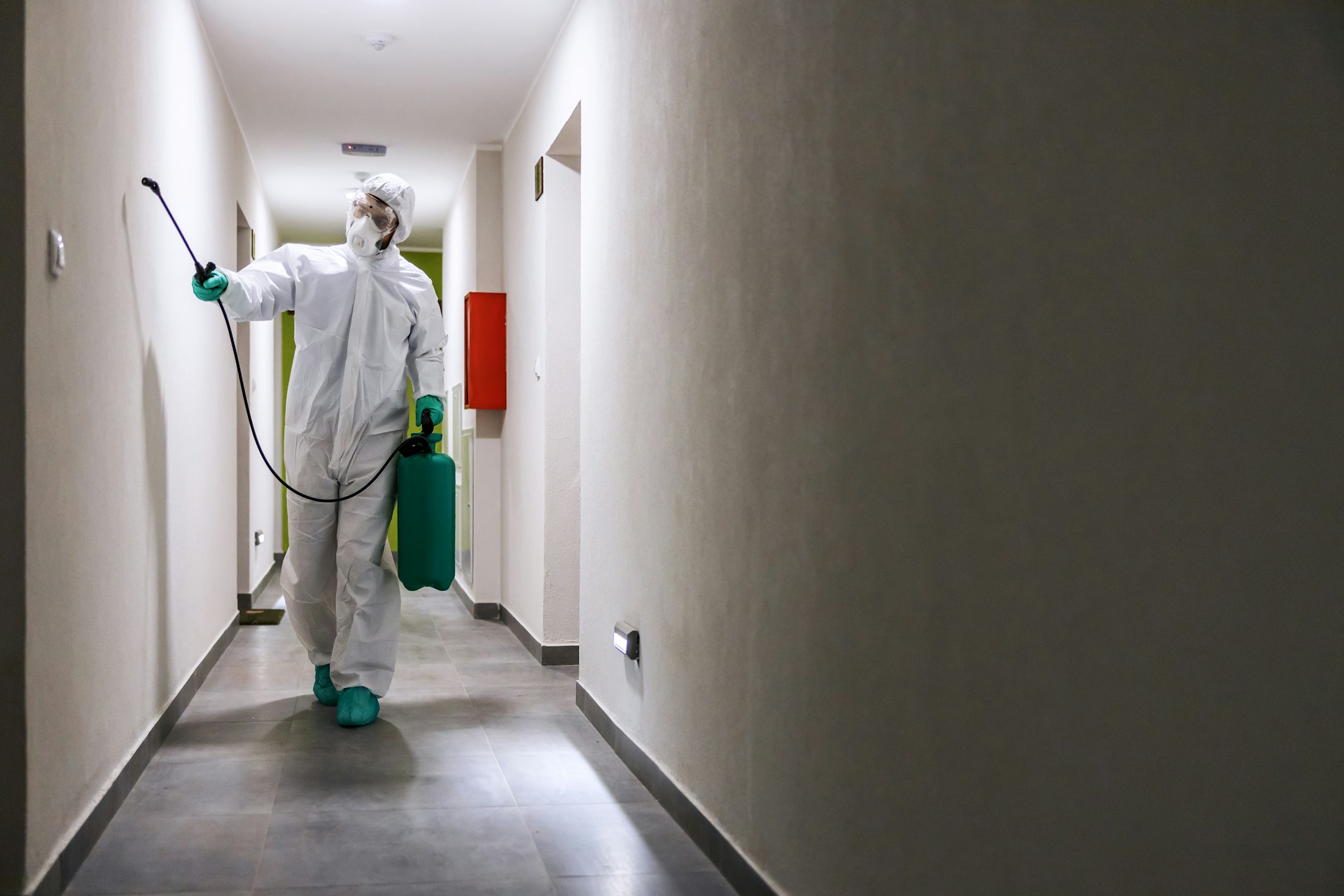
For schools, safety and compliance sit at the top of the list. Treatments should be low odour and applied in a way that fits with WHS obligations, risk assessments and department guidelines. Clear planning means work is done outside teaching hours, with proper notices and records.
Custom school programs are useful because no two sites are the same. A tailored plan might cover:
- Classrooms and libraries with focus on skirting boards, bag racks and under furniture
- Canteens and food rooms with regular checks around storage, fridges and serving counters
- Sports sheds and equipment rooms where clutter and stored gear give pests shelter
- Administration buildings where paperwork, cabling and ceiling spaces need protection
Regular reports and open communication with school leadership help everyone stay on top of pest trends across the year.
Keeping Classrooms Pest-Free All Term Long
Once students are back, daily and weekly routines make a big difference. Staff and cleaners can help keep pests down by:
- Storing all food in sealed containers, not open packets
- Making sure classroom and staffroom bins are emptied every day
- Doing a quick end-of-day check for dropped food, drink spills and open windows
- Reporting any pest sightings quickly so they can be checked by maintenance or a professional
Students also play a part. Age-appropriate messages can cover simple points such as:
- Not leaving half-eaten lunches in bags, lockers or desks
- Putting rubbish in bins, not on the ground
- Telling a teacher if they see lots of ants, cockroaches or spiders in one area
To keep on top of changing conditions, it helps to review the pest management plan each term with a Ryde school pest control specialist. Weather shifts, building works and changes in how spaces are used can all affect pest activity. Regular reviews keep the plan up to date so classrooms stay focused on learning, not on pests.
Protect Your School Community With Reliable Pest Solutions
Keep your students and staff safe with discreet, compliant and effective Ryde School pest control tailored to your campus. At Evo Pest Control, we work around bell times and school activities to minimise disruption while delivering thorough treatments. If you are ready to review your current pest management or need urgent help, simply contact us, and we will schedule a prompt inspection.