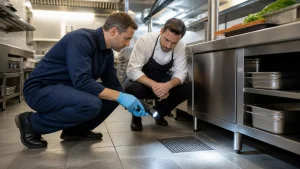
After-Hours Pest Control That Keeps Shops Trading
Pests love shopping centres. There is food, water, shelter, and plenty of hiding spots. For centres in Ryde, with food courts, late-night trading and heavy foot traffic, that pressure never really stops.
For centre managers and facilities teams, the challenge is simple: keep tenants trading while keeping pests out. After-hours pest control is one of the best ways to do this. Treatments can be done when customers are gone, cleaning is finished, and service corridors are clear, so we can work properly without getting in the way.
The real key is coordination. Pest control at Ryde Shopping Centre works best when it is linked tightly with cleaning, waste removal and tenancy fit-outs. If one of those is out of sync, pests keep coming back. Our team at Evo Pest Control works across large, multi-tenant sites in Ryde, Parramatta and the North West, so we see what works and what causes constant reinfestation. This guide shares that practical experience.
Why Shopping Centres attract Pests Year-Round
Sydney centres deal with pests all year. When the weather warms up in spring, insect activity picks up again. Spiders, ants and cockroaches become more active. Rodents look for dry, sheltered areas inside plant rooms, roof voids and stock rooms.
Key pressure points in Ryde shopping centres often include:
- Food tenancies like cafes, grocers and takeaway stores
- Food courts and shared seating zones
- Waste rooms, compactors, loading docks and grease trap areas
- Roof spaces, service risers and plant rooms
- Garden beds, trees and external ledges that attract birds and spiders
Extended trading hours and school holidays add to the problem. More shoppers means:
- More food scraps on floors and in bins
- More cardboard, pallets and general rubbish
- More doors propped open for deliveries
- More hiding spots as stock builds up in storerooms
One-off sprays inside shops do not fix this on their own. Pests move through shared services, back-of-house corridors and ceiling voids. Without an ongoing plan that fits around centre operations and uses after-hours access, they simply reappear somewhere else.
Coordinating After-Hours Treatments with Cleaning Crews
For internal areas, the timing between cleaning and pest treatment is very important. The ideal sequence is:
- Trading finishes, and tenants close up.
- Cleaning crews vacuum, sweep and mop floors.
- Once floors and surfaces are dry, we move through to treat key areas.
This order lets our treatments reach skirtings, cracks and corners without dirt and clutter in the way. It also gives enough drying time so cleaners do not mop away fresh product.
A few practical coordination points make a big difference:
- Shared schedules that show when cleaning finishes in each zone
- Clear access arrangements, like keys, access cards and alarm codes
- Site inductions so our technicians understand rules, hazards and no-go areas
- Agreed access to back-of-house corridors, service risers and plant rooms at night
When the timing is off, cleaning can undo a lot of pest work. Common issues include:
- Mopping or washing treated skirtings and edges soon after a visit
- Strong degreasers on treated areas that strip away residual products
- Cleaning gear or stock left in front of bait stations or access hatches
- Wet floors when we arrive, which means we cannot apply certain treatments safely
Centre management can reduce these clashes by:
- Matching cleaning scopes with the pest control plan
- Briefing cleaners not to hose bait stations or remove insect monitors
- Setting up a simple way for cleaners to report pest sightings or droppings
This type of loop gives us better information and lets us adjust treatments before pests spread.
Waste, Loading Docks and Compactors as Pest Hotspots
If rubbish handling is poor, internal sprays will never keep up. Waste areas are often the main food source for rodents, cockroaches and flies.
Typical problems around Ryde shopping centres include:
- Overfilled bins and wheelie bins left open
- Leaks from bin liners that pool under racks and compactors
- Food waste stored too long before collection
- Cardboard and pallets stacked near doors and dock levellers
After-hours access is ideal for treating these hotspots. When trucks have finished and staff have left, we can safely:
- Treat bin rooms, compactor surrounds and dock floors
- Apply products around grease traps and drains without slip risks for staff
- Inspect behind stored pallets and equipment
- Service bait stations and insect monitors in quiet, external or semi-covered areas
Process improvements also help keep numbers down between visits. Some useful changes are:
- Planned bin collection times that suit both waste contractors and pest work
- Regular deep cleans of bin rooms and compactor chutes
- Keeping cardboard dry, off the floor and away from entry points
- Pest-proofing of dock doors and levellers where practical
At Evo Pest Control, we align our service visits with waste contractor timetables and centre operations, so baiting and monitoring in these areas is constant, not random.
Managing Pest Risk During Tenancy Fit-Outs and Refits
Tenancy works can suddenly change pest patterns in a centre. When ceilings are opened, walls cut and services moved, pests are disturbed and pushed into new areas.
Fit-outs and refurbishments often create risk because they:
- Open ceiling voids, risers and wall cavities
- Leave food scraps and building waste overnight
- Prop open fire doors and dock doors for easier access
- Create new gaps and penetrations around pipes and cables
A coordinated approach keeps this under control. Helpful steps include:
- Pre-fit-out pest risk checks for the tenancy and nearby areas
- Clear site rules for builders on waste handling and food storage
- Temporary pest monitoring in nearby voids and corridors
- Targeted after-hours treatments before handover to the new tenant
When we support tenancy works, we focus on:
- Checking ceiling spaces and services for rodent droppings or nesting material
- Sealing new penetrations where practical to reduce travel paths
- Placing monitors before major works so we can track movement
- Carrying out a final sweep and treatment after the build, before stock goes in
It also helps when centre management includes pest control rules in tenancy and contractor agreements. If every builder knows what is expected around rubbish, door control and penetrations, one messy fit-out is less likely to undo months of work across the rest of the site.
Building a Tailored After-Hours Pest Program for Ryde
Pest control at Ryde Shopping Centre works best when it is planned, not reactive. Instead of calling for help only when pests appear in a shopfront, centre teams can tie pest management into existing cleaning, waste and fit-out routines.
A tailored after-hours program with Evo Pest Control for a centre in Ryde or nearby might include:
- Regular, scheduled after-hours inspections around key zones
- Seasonal adjustments when insect and rodent activity changes
- Detailed reports that help with health and safety compliance
- Simple education for tenants on storage, waste and good housekeeping
By looking at the whole site and all the people working in it, we can help reduce constant reinfestation and keep treatments focused on long-term control, not quick fixes.
Protect Your Shopping Centre With Professional Pest Solutions
If you are ready to safeguard your tenants, customers and stock, our team at Evo Pest Control can help you with targeted pest control at Ryde Shopping Centre. We focus on discreet, compliant treatments that minimise disruption while keeping infestations under control. To schedule an inspection or discuss a tailored service plan, simply contact us today.