Stop Termites Before They Stop Your Warehouse
Termites are not just a problem for houses. In Parramatta, they are a real threat to busy warehouses that rely on strong slabs, solid racking and safe loading zones. When termites get into hidden timber, expansion joints or office fit-outs, they can quietly eat away at the structure that keeps your operation moving.
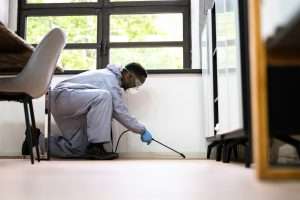
If activity goes unnoticed, you can end up with damaged racking posts, unsafe mezzanines and weakened support timbers. That can interrupt freight schedules, trigger safety shutdowns and even affect insurance or lease obligations. A tailored termite risk assessment gives you a clear picture of where your warehouse is exposed and how to protect it. It should be a practical, site-specific plan, not just a quick box to tick in an audit folder.
Why Parramatta Warehouses Face Higher Termite Pressure
Parramatta sits in a spot that termites love. You have the river, fill soils from older building works, pockets of bush and parkland, plus older timber housing mixed in with newer industrial stock. That combination keeps local termite colonies active and close to warehouse sites.
Termites do not stop just because the air feels cooler. Around Sydney, they keep working through autumn and winter, especially when they find:
- Warm plant rooms and switch rooms
- Moist subfloors and service voids
- Wet areas like amenities or lunchrooms
- Heated offices built inside warehouse shells
For Parramatta warehouses, daily operations add a layer of difficulty. Many sites run long hours or around the clock. There is constant movement of:
- Trucks and forklifts through loading bays
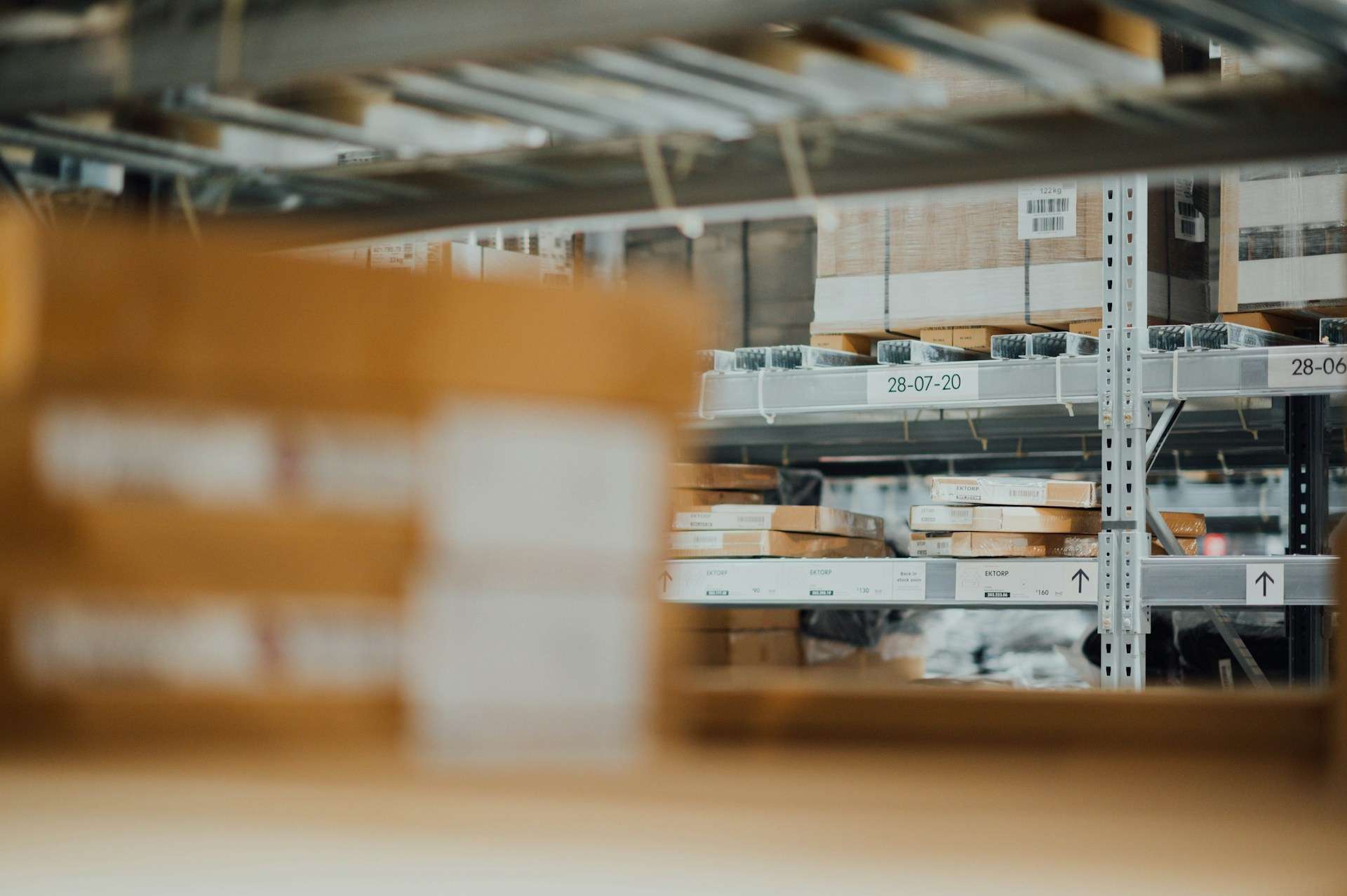
- Pallets, crates and containers across the floor
- Stock in and out of racking and staging areas
All that activity makes it harder for staff to notice subtle termite signs. It also means informal inspections rarely happen. This is why a structured, regular monitoring schedule is so important for Parramatta warehouse pest control.
High-Risk Materials and Storage Setups Termites Love
Termites are drawn to a mix of timber and moisture. Warehouses are full of both, often in places that seem harmless at first glance.
Common high-risk materials include:
- Untreated timber pallets and crates
- MDF and chipboard shelving or benches
- Cardboard packaging stored for long periods
- Timber offcuts or dunnage left near loading zones
If these sit directly on the slab or against walls, they can act like a bridge between the soil and the building. Stacked pallets can hide early termite mud trails, especially in dim corners.
The building itself also offers food and shelter. Watch for:
- Timber mezzanines and office floors built over the slab
- Skirtings and timber door frames around internal offices
- Particleboard partition walls and kitchen joinery
- Old timber dunnage left in external yards or loading docks
Environmental conditions can quietly push the risk higher. Termites love damp, sheltered spots, so any moisture issue near the building matters, such as:
- Poor drainage that causes puddles along slab edges
- Leaking downpipes or gutters dripping near walls
- Cooling tower or AC overflows wetting the ground
- Garden beds or mulch packed tight against building lines
During a termite risk assessment, we map these materials and moisture sources so nothing is overlooked.
Hidden Entry Pathways in Busy Warehouse Environments
Termites usually come from the ground, but they are experts at staying out of sight. In a warehouse, they can use many small openings that no one notices day to day.
Subterranean entry points often include:
- Hairline cracks in the concrete slab
- Construction and expansion joints in floors and walls
- Service penetrations for pipes and cables
- Slab edge drop-offs hidden behind cladding
- Shared walls or subfloors between neighbouring units
Once they find a gap, termites can move through the structure behind walls or under the slab, then straight into timber or cardboard stock.
Utility and service routes create perfect hidden highways. Termites can travel through:
- Conduits for data, power and security cables
- Pipe chases for water, gas and fire services
- Pits, sumps and drainage lines
- Lift shafts and dock levellers that link soil and building
Operational habits can also unintentionally help termites spread. Risky patterns include:
- Receiving stock on infested pallets from other sites
- Storing pallets or crates hard against external walls
- Allowing cluttered racking that blocks visual checks at ground level
A detailed risk assessment will trace these possible pathways, so your monitoring system is placed where termites are most likely to travel.
Designing a Termite Monitoring and Inspection Schedule
The right inspection frequency is not the same for every warehouse. It depends on how your site is built and used. When we look at a Parramatta warehouse, we consider:
- Age of the building and any previous termite activity
- Construction type, especially slab design and presence of timber
- Known moisture issues, drainage and plumbing history
- Type of stock stored and how long it stays on site
Higher risk sites, such as older warehouses with timber mezzanines and heavy pallet storage, usually need more frequent termite checks than newer concrete boxes with minimal internal fit-out.
There are a few common monitoring tools that can be part of a Parramatta warehouse pest control program:
- In-ground termite stations around the external perimeter
- Above-ground stations on active mud trails or high-risk walls
- Targeted visual inspection points inside and outside the building
- Digital reporting with photos and maps to track changes over time
To work properly, the schedule must fit around how your warehouse runs. That means:
- Planning inspections away from peak freight periods where possible
- Making sure technicians can reach plant rooms, subfloors and back corners
- Training staff to report soft timber, blistered paint or odd mud spotting
When everyone on site knows what to look for and when, minor signs are more likely to be caught between formal visits.
Compliance, Insurance and Shared Responsibilities
In many commercial leases, there are clauses about pest management, building care and who is responsible for treatments. Sometimes the owner handles structural termite protection, while the tenant manages internal housekeeping and regular inspections. In other cases, the tenant carries more of the responsibility.
Insurance policies also take a firm view of termite damage. Insurers generally expect property owners and tenants to show that they manage risk in a reasonable way. That often includes:
- Formal termite risk assessments
- Evidence of ongoing inspection and monitoring
- Prompt action when termite activity or water leaks are found
Without this kind of documentation, claims linked to termite-related structural damage can be harder to discuss.
Termite management also ties into safety and compliance. During WHS, food safety or logistics audits, inspectors often ask about building maintenance and pest control. Being able to show a clear termite plan helps demonstrate that you have assessed a key structural risk and taken it seriously.
Building a Proactive Termite Defence Plan for Your Warehouse
For Parramatta warehouse operators, a strong termite defence starts long before damage appears. The goal is simple: know what materials attract termites, understand how they might get in and keep a steady eye on the highest risk spots.
A good termite risk assessment will help you:
- Identify and tidy up high-risk storage like old pallets and timber offcuts
- Map out likely entry pathways through slabs, joints and services
- Set a realistic inspection and monitoring timetable for your site
The best time to put this in place is before the next long wet stretch or major maintenance window. That way, any drainage fixes, garden changes or fit-out upgrades can be planned with termite risk in mind. For Parramatta warehouses, working with a local team that understands Sydney industrial buildings makes it easier to blend termite control into your broader warehouse pest management strategy. Evo Pest Control is based in Sydney and focuses on helping commercial and residential sites, including warehouses, manage termites and other pests across Parramatta and surrounding areas.
Protect Your Parramatta Warehouse With Proven Pest Control
If you are ready to safeguard your stock, staff and reputation, our team at Evo Pest Control is here to help. Explore our Parramatta warehouse pest control services to find a tailored treatment and prevention plan that suits your facility. For fast booking or specific questions about your warehouse, simply contact us and we will organise a convenient inspection.