Turn Post-Inspection Panic Into a Clear Plan
Getting a Ryde restaurant pest inspection report that is less than perfect can feel rough. You worry about licences, reviews and what customers might have seen. A failed or borderline result can impact your reputation fast if it is not handled properly.
The good news is that you can turn that stress into a clear, simple action plan. With the right steps, you can lift hygiene standards, rebuild customer confidence and keep council inspectors satisfied. When you treat the report as a checklist instead of a punishment, it becomes a practical tool to lift your whole operation.
At Evo Pest Control, we work across Sydney with commercial kitchens and dining venues, so we see this situation often. Our job is to help turn Ryde restaurant pest inspection findings into real actions that staff understand, can track and can maintain over time.
Decode Your Ryde Restaurant Pest Inspection Report
Before anyone races to grab the bleach or throws out food stock, you need to read the report properly. Not every issue has the same impact on food safety or trading.
Most reports group findings into levels, such as:
- Critical issues, like clear pest activity near food, that can affect whether you keep trading
- Major issues, such as poor pest-proofing in key areas
- Minor issues, for example, maintenance or housekeeping gaps that can grow into bigger problems
Start by circling every pest-related point. Common fail points we see in Ryde venues include:
- Rodent droppings in dry storage, roof voids or bin areas
- Cockroaches behind appliances, under sinks or inside cupboards
- Flies around bar areas, dishwashing zones or fruit prep
- Problem spiders, such as redbacks, in outdoor dining and around seating edges
Once you know what you are dealing with, turn each line into a simple action. For each non-compliance, write down:
- What needs to be fixed, in plain language
- Who is responsible for it, by role, not just a name
- When it must be done, with a clear due date
For example, “Rodent droppings in dry store” becomes “Deep clean shelves, remove clutter, check for gnaw marks, adjust storage, book professional rodent treatment by Friday.” That level of detail makes it easy to follow through.
Fix High-Risk Pest Fail Points Fast
High-risk pest issues should never sit on a to-do list. They need action within 24 to 72 hours so food safety is protected and you avoid tighter enforcement or possible closure.
Short-term steps you can put in place quickly include:
- Intensive cleaning and sanitising of food prep, storage and dishwashing areas
- Sealing obvious entry points, like gaps under doors and around pipes, where possible
- Removing harbourage spots, such as cardboard stacks, unused equipment and clutter
- Adjusting food storage so items are off the floor and in sealed containers
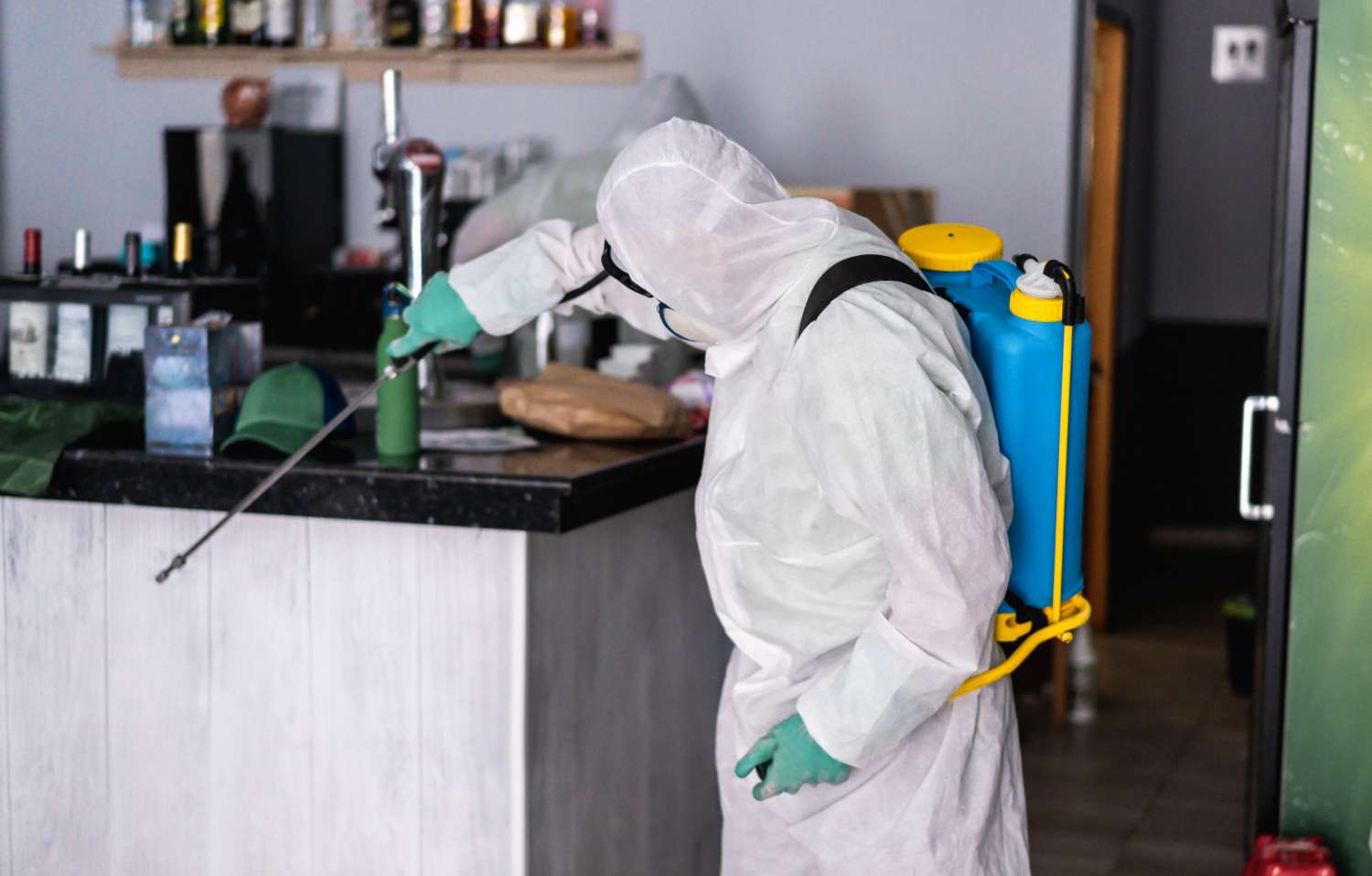
These are helpful, but they are not a substitute for proper pest control. Serious signs, such as fresh rodent droppings, live cockroaches in the kitchen, webbing and spiders in guest areas or termite activity around structures, usually require a professional response.
Urgent support might include:
- Rodent baiting or trapping programs in and around the building
- Cockroach gel treatments and targeted sprays in hidden harbourage areas
- Termite inspections and recommendations if structural risk is suspected
- Bird management for outdoor dining, awnings and ledges
The key is to act fast but still be safe and compliant, especially when treatments are done around food and staff.
Build Compliant Pest Documentation That Stands up to Audits
Once you have fixed the main problems, you need proof. Inspectors want to see not just a clean space, but a clear paper trail that shows how you manage pests over time.
A strong pest management file for a Ryde restaurant usually includes:
- Pest service reports from each professional treatment
- A simple site map showing bait stations, traps and key risk areas
- Treatment logs so you know what was done, where and when
- Bait station and device records, with checks and any changes noted
- Copies of technician licences and insurances from your pest provider
These records should line up with NSW Food Authority and local council expectations. After a Ryde restaurant pest inspection, it also helps to keep:
- A corrective action list that matches each item in the report
- Dated notes showing when actions were done
- Photo evidence of before and after for major fixes
To keep everything organised, many venues move to digital systems. That can include:
- Simple apps or shared folders for pest reports and cleaning logs
- Photos stored in labelled folders by area, like “coolroom” or “bin bay”
- Cleaning schedules that clearly show daily, weekly and monthly tasks
- Training records so you can prove staff have been shown what to do
When paperwork is easy to find and up to date, an audit feels far less stressful.
Set up Ongoing Monitoring Before Pests Rebound
Fixing a report once is not enough. Pests will return if your checks are casual or stop after the inspector leaves. Monitoring needs to run all year, even when business is quiet.
Pressure from different pests tends to shift with the weather. For example, cooler months can push rodents to seek warmth inside, while warmer periods can increase flies, cockroaches and spiders, especially around doors and outdoor seating. Planning ahead for these patterns beats trying to react later.
A strong monitoring setup usually combines:
- Regular professional inspections on an agreed schedule
- Monitoring stations and traps placed in key risk areas
- Trend reports that show where activity is rising or falling over time
On top of that, staff should be part of the early warning system. Simple daily checks might include:
- Quick visual scans of floors, skirting boards and under benches
- Pest sighting logs near the staff area or kitchen pass
- Routine bin, grease trap and storage checks for spills and access points
When these staff checks line up with booked visits from a pest specialist, you get a layered defence. Small signs are picked up early, and treatment plans can be adjusted before issues reach a level that risks your next inspection.
Partner with Experts and Lock in Your Next Pass
To protect a Ryde restaurant long-term, it helps to move from patch-up fixes to a planned pest program. That program should suit your kitchen layout, style of menu, trading hours and how your team actually works each day.
A professional team like Evo Pest Control, based in Sydney, can review your last Ryde restaurant pest inspection report and walk through the site with you. From there, we can design a treatment and monitoring schedule, map devices, tidy up documentation and help your staff understand their role in the system.
With clear records, regular checks and fast responses to any new activity, you are setting yourself up for smoother audits, fewer surprises and a safer dining space for your customers and staff.
Protect Your Restaurant With A Trusted Local Pest Inspection Partner
Keeping your kitchen and dining areas compliant and hygienic starts with a thorough Ryde restaurant pest inspection carried out by experienced technicians who understand local regulations. At Evo Pest Control, we work around your trading hours to minimise disruption while delivering detailed, practical recommendations. If you are ready to safeguard your reputation and stay inspection-ready, simply contact us, and we will organise a convenient time to assess your venue.