Protecting Parramatta Warehouses When Pests Strike
A sudden pest problem in a warehouse can stop work fast. Forklifts get pulled up, loads are put on hold, and everyone starts worrying about stock, safety, and audits. For Parramatta warehouses, this can hit hard around the cooler months, when rodents and other pests head indoors looking for food and warmth.
Emergency pest control in an industrial site is not just about spraying and leaving. It usually involves rapid response, quick checks of risk areas, clear containment, and good records for your quality team and auditors. In this guide, we will walk through how warehouse managers can handle a pest emergency, what early steps help most, and how a specialist team can keep operations moving with less disruption.
Hidden Pest Risks Lurking in Parramatta Warehouses
Warehouses across Parramatta and Western Sydney deal with a mix of local pest pressures. Some of the most common problems include:
- Rodents that nest in wall voids, roof spaces and under racking
- German cockroaches that thrive in warm staff kitchens and machinery
- Stored product pests like weevils, beetles and moths in packaged goods
- Birds roosting in roof beams and near loading docks
- Ants tracking along walls, pipes and packaging
As the weather cools, many of these pests push harder to get indoors. Large doors, gaps around services and regular truck movements make warehouses an easy target.
Warehouse design and daily operations can add to the risk. Common problem factors are:
- Dock doors left open during loading
- High racking that is hard to inspect
- Palletised stock that creates hidden harbourage
- Staff amenities and food areas on site
- Packaging waste and returned goods
- Neighbouring food businesses or nearby waterways
The outcomes are not just annoying; they can be serious. Pests can contaminate stock, damage packaging and lead to rejected deliveries. Rodents can chew electrical wiring and insulation, increasing fire risk and equipment failure. Flying insects and rodents in food or audited sites can trigger shutdowns, failed inspections and stress for both staff and management.
When a Pest Issue Becomes an Emergency
Routine Parramatta warehouse pest control is about regular inspections, monitoring and planned treatments. An emergency is different. It is when pest activity is large, obvious or directly threatens product, staff safety or compliance.
Clear red flags that call for immediate action include:
- Live rodents or droppings near loading bays or production lines
- Insects inside or on sealed product, pallets or packaging
- Multiple staff sightings in a single shift in the same area
- Bird activity over stored product or machinery
- An auditor, landlord or customer raising concerns about pests
There are also regulatory and contractual triggers. Food safety standards place a strong focus on pest control records and proof of action. Many retailers have strict product specifications that do not allow any sign of pest damage or contamination. Lease agreements and insurance policies may also require documented pest management, especially after an incident. When any of these pressures line up with a visible infestation, you are dealing with a genuine emergency.
What to Do in the First Hour of a Pest Outbreak
The first hour often decides how much impact a pest outbreak will have. Having a simple, clear response plan helps your team act fast without panic.
Key steps for managers include:
- Isolate the affected area where safe to do so
- Pause movement of any at-risk stock in that zone
- Record what staff saw, where and when
- Notify supervisors, quality or safety teams straight away
To minimise spread before professional help arrives, it is best to avoid actions that send pests running through the building. Try to:
- Close dock doors where possible, without affecting safety
- Secure waste in closed bins and remove full bins from key areas
- Avoid sweeping, blowing or high-pressure hosing that can scatter insects
- Avoid DIY chemicals that could interfere with targeted treatments
It also helps to have key information ready for the technician so they can act quickly on-site. Useful details include:
- A site map or floor plan with key zones and access points
- Any previous pest reports or service records
- Cleaning schedules and housekeeping procedures
- Product types, storage methods and higher-risk zones
- Upcoming audits, customer visits or major delivery deadlines
Sharing this upfront can shorten assessment time and focus the work where it protects your business most.
How Emergency Pest Control Works in Parramatta Warehouses
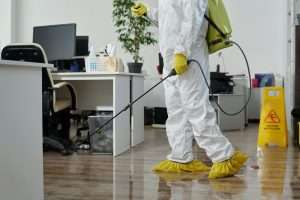
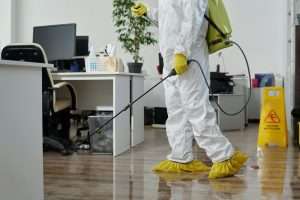
In a warehouse emergency, professional pest control should be structured, calm and practical. A typical response involves a quick phone triage to understand the issue, an on-site inspection as soon as possible, and a risk ranking of different zones. High-risk areas, like production lines or food storage, usually get immediate attention first.
Common treatment strategies in high-risk warehouses can include:
- Targeted rodent control in safe, secure locations
- Crack-and-crevice or gel treatments for cockroaches in harbourage points
- Focused treatment programs for stored product pests in affected stock zones
- Bird management options around entry points and roosting sites
The aim is always to control pests while keeping the warehouse running, where possible. That often means planning work after-hours, during quieter times, or in cordoned sections so forklifts and dock operations can continue safely in other areas. Clear digital reports can then support your QA, auditors, landlords and head offices, showing what was found, what was done and what follow-up is planned.
Building a Future-Proof Pest Management Plan
Once the immediate crisis is under control, it is wise to shift the focus from reaction to prevention. Relying only on emergency call-outs usually costs more in downtime, stress and stock risk.
A good integrated pest management approach for Parramatta warehouses usually includes:
- Regular inspections by a trained technician
- Proofing work to seal gaps, dock seals and service penetrations
- Improvements to waste handling, including bin placement and cleaning
- Agreed housekeeping standards in storage and staff areas
- Staff awareness training so issues are reported early
Every site is different. Logistics and industrial hubs around Parramatta have their own mix of nearby businesses, waterways and building designs. Seasonal rodent pressure and local pest trends can also differ between suburbs. A tailored service plan that takes these factors into account can keep your warehouse more stable, audit-ready and far less likely to face another emergency.
Protect Your Parramatta Warehouse With Targeted Pest Control
Safeguard your stock, staff and reputation with tailored Parramatta warehouse pest control solutions from Evo Pest Control. We assess your site, identify risk areas and put in place practical, compliant treatments to keep pests out for the long term. If you are ready to sort pest issues before they become costly, contact us today to book an inspection.