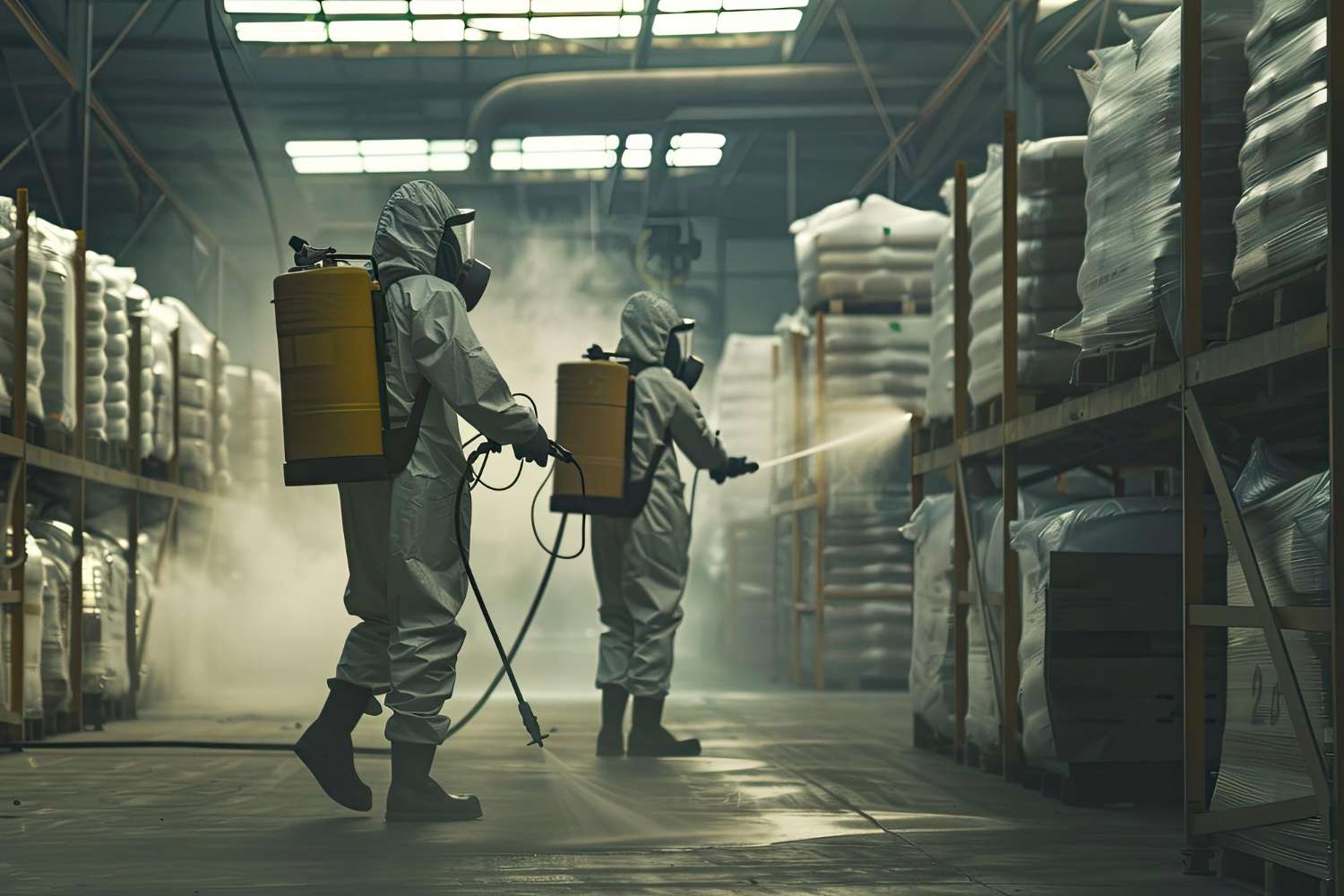
Stop Autumn Pests Before They Shut Down Your Warehouse
Autumn is when a lot of pests start looking for a warm, dry place to spend the cooler months. For Parramatta warehouses, that often means rats, mice, birds and insects pushing in around dock doors, roof lines and storage areas. If they get inside, they do not just cause a mess. They can interrupt work and put stock at risk.
When pest control slips, the problems add up fast. You can see gnawed cartons, droppings on racking, damaged packaging, contamination of ingredients, equipment downtime for clean-ups and even failed audits. That kind of issue can hurt your brand and disrupt supply to your own customers.
As a local Sydney pest control team that works across Western Sydney, we understand the mix of older warehouse buildings, high pallet turnover and tight compliance pressure. In this checklist, we walk through practical autumn steps for Parramatta warehouse pest control, including risk assessment, monitoring and baiting systems, stock protection and staff awareness that actually fits busy warehouse operations.
Autumn Risk Assessment for Parramatta Warehouses
Once nights start cooling and rain picks up, pest pressure changes. Rodents and birds look for dry shelter in the roof voids and loading docks. Cockroaches and stored product pests, like beetles and moths, chase food, moisture and hiding spots around racking and break rooms.
A simple pre-winter inspection routine helps you get ahead of this shift. Focus on areas where pests can enter, hide or find food. Walk the site with a torch and a notepad and check for droppings, gnaw marks, grease rubs, nesting material, dead insects and musty smells.
Key spots to inspect include:
- Loading docks and roller doors, including gaps and damaged seals
- Pallet racking, especially low levels and hard-to-reach corners
- Staff break rooms, kitchens and vending areas
- Roof voids, ledges, beams and sign frames where birds or rodents can nest
- Drainage lines, sump areas and any spots with standing water
- External yards, rubbish areas and overgrown vegetation near walls
Once you have walked the site, map out your pest hot zones. A simple printed floor plan works fine. Mark areas where you saw signs of activity, and highlight places with food ingredients, packaging, cold storage, waste holding and staff amenities. Taking a few quick photos on each visit also helps you compare changes over time and decide where you need more monitoring or treatment.
Smart Monitoring Systems That Catch Pests Early
Good monitoring is like an early warning alarm for your warehouse. You want to know there is a problem before pests reach your stock or show up during a customer or auditor visit. Different tools work for different pests, so a mix usually gives the best picture.
Useful monitoring options for warehouses include:
- Multi-catch rodent stations for mice, especially along internal walls
- Snap traps in locked boxes for rats in higher-risk or sensitive areas
- Insect light traps in quiet zones away from dock doors and strong light
- Pheromone traps for moths and beetles around stored product areas
- Tracking powders or non-toxic monitoring blocks in hidden voids
Placement is just as important as the tools themselves. Rodents, for example, travel along edges, so traps and stations should run along walls, behind pallets and near dock doors. Insect light traps work best away from strong sunlight and drafts, often at the end of aisles or near internal corridors. Pheromone traps should be placed close to product storage, but not directly above exposed goods.
To make monitoring useful, it needs to be documented. That means:
- Clear numbering or labels on each station or device
- A simple map showing where each one is located
- Log sheets or a digital system to record counts, dates and findings
- Regular trend checks so rising numbers trigger faster action
This record-keeping forms your evidence base for professional pest control decisions and supports audit requirements.
Safe Baiting and Treatment Protocols for Busy Sites
Once monitoring shows where the pressure is, you can build a baiting and treatment program around how your warehouse actually runs. The goal is to keep pests under control without putting staff, equipment or stock at risk.
For rodents, we normally recommend locked, tamper-resistant bait stations that are barcoded or numbered and plotted on a site map. These should be fixed in place, serviced on a set schedule and checked carefully so old bait or dead pests do not sit unnoticed. Inside, baiting is usually tighter and more controlled. Outside, a perimeter system around the building line can help intercept rodents before they enter.
Key safety and compliance points include:
- Keeping all baits away from stock, food-contact surfaces and high-traffic forklift routes
- Following label directions for anticoagulant baits and insecticides
- Matching products and methods to any HACCP or retailer supplier standards you work under
- Reducing spray work in open warehouse areas and focusing on cracks, crevices and harbourage zones
A licensed pest technician should always design and adjust the treatment plan. Each Parramatta warehouse has its own mix of products, packaging and operating hours. A good technician will rotate products to reduce resistance, time services around loading and shift work, and avoid anything that could contaminate goods or slow down operations.
Protecting Stock, Pallets and Packaging From Infestation
Even with strong monitoring and baiting in place, poor housekeeping can undo the lot. Cluttered pallets, long-term storage and messy aisles create perfect hiding and feeding spots for rodents, weevils, moths and cockroaches. Cardboard, shrink wrap and soft plastics are easy for pests to chew and nest in.
Practical stock protection steps include:
- Storing pallets off walls and off the floor so you can inspect behind and underneath
- Following FIFO, first in, first out, to limit old stock that sits for months
- Removing damaged or wet cartons quickly before they attract pests
- Sealing high-value or sensitive stock in closed units where possible
- Keeping aisles, under rack areas and corners clear of debris
Hygiene is part of pest control, not an extra. Simple rules help a lot:
- Quick clean-up of any spills, especially sugary or oily products
- Secured waste bins with lids, emptied often and stored away from entry points
- Controlled cardboard handling with balers or regular removal
- Limiting eating and drinking to set lunch areas, not forklifts or picking zones
- Regular sweeping, scrubbing and high-level dust removal
When cleaning and pest control visits are planned together, treatments are more effective and less likely to be disturbed by moving pallets or big wash-downs.
Team Training, Recordkeeping and When to Call Evo
Even the best plan will fall apart if the team on the floor does not know what to watch for. Simple toolbox talks once-in-a-while can make a big difference. Forklift drivers, pickers and cleaners are the ones who see issues first, often long before management or auditors.
Staff should know how to spot and report:
- Fresh droppings or smear marks on walls and beams
- Gnawed corners on cartons or pallet wood
- Live or dead insects in or around stored product
- Bird nesting material or activity in roof spaces or on ledges
- Unusual smells in closed areas like plant rooms or storage cages
On the paperwork side, warehouses should keep clear records each autumn and update them as conditions change. Helpful documents include a current site map, pest service reports, a chemical register, monitoring logs, trend summaries and corrective action notes. These not only support audits, but they also help track what is working and where extra attention is needed.
When you want a structured autumn pest-proofing plan for a Parramatta warehouse, a tailored assessment by a local technician from Evo Pest Control can bring all these pieces together into a monitoring, baiting and stock protection program that keeps pests out and operations steady as the colder months move in.
Protect Your Parramatta Warehouse With Targeted Pest Control Today
If you are ready to safeguard your stock, staff and reputation, our Parramatta warehouse pest control services are designed to give you reliable, long-term protection. At Evo Pest Control, we assess your site, identify risks and put practical solutions in place with minimal disruption to your operations. Reach out to our team to discuss your warehouse, schedule an inspection or request a tailored service plan via contact us.